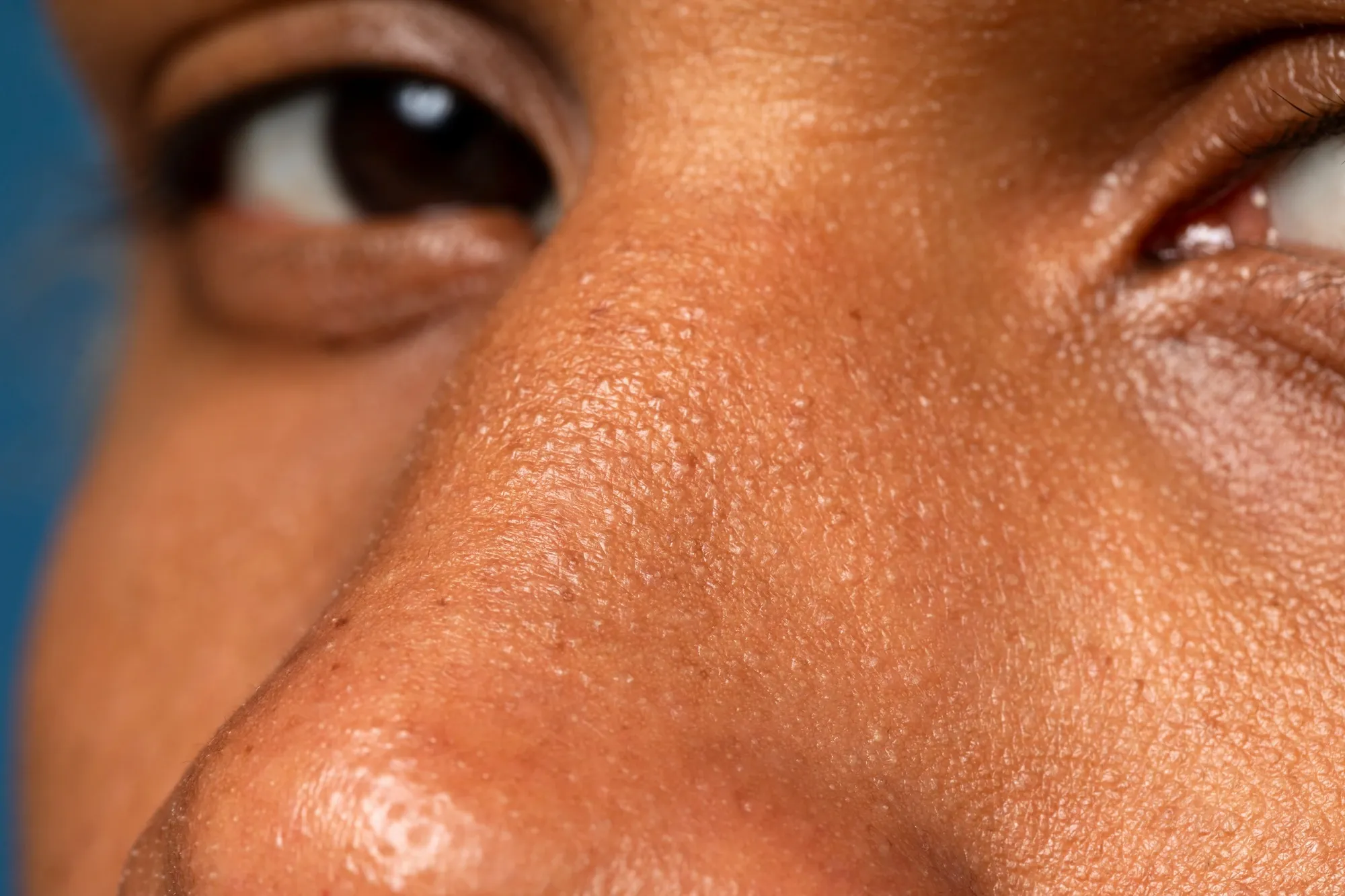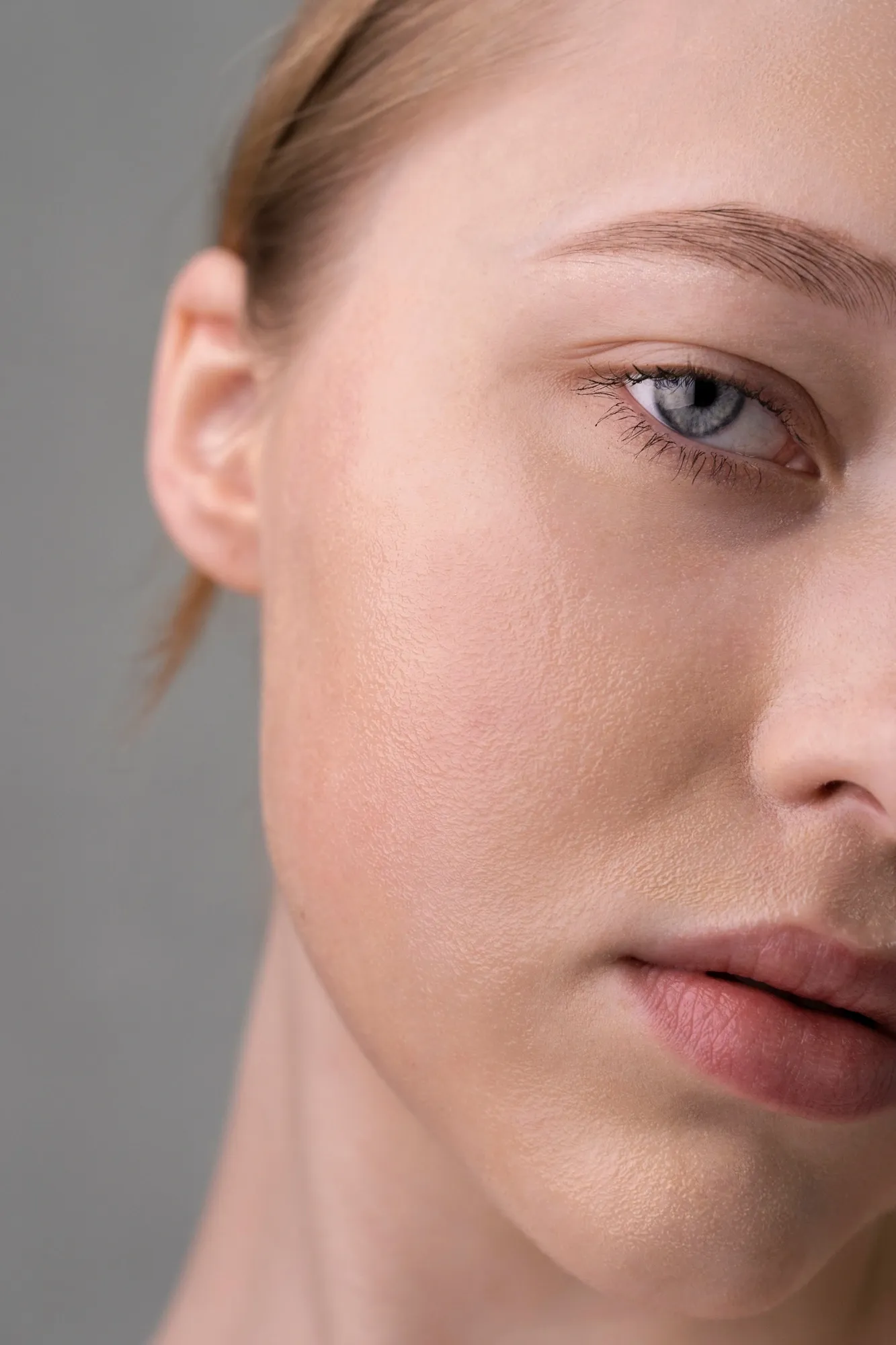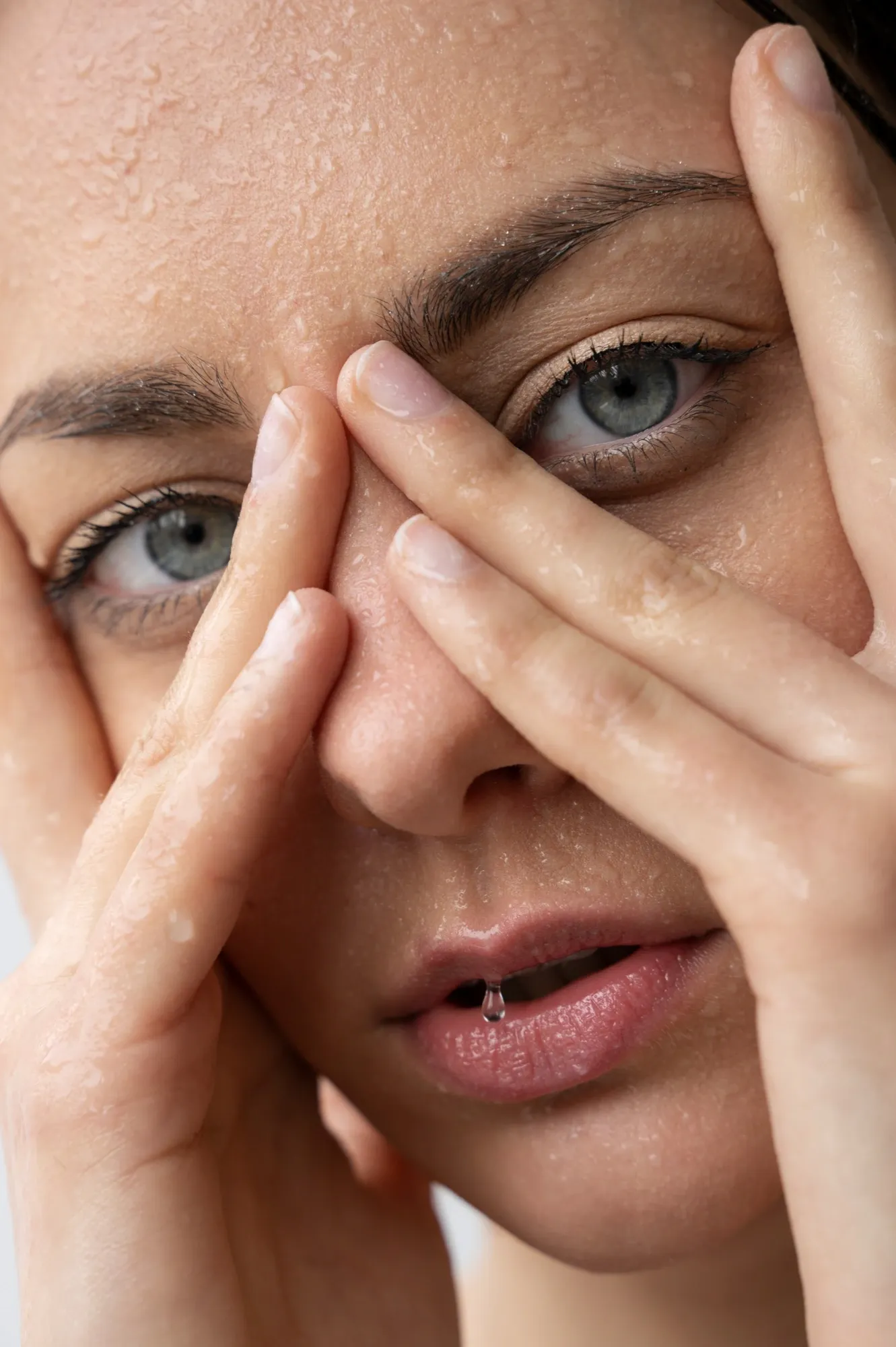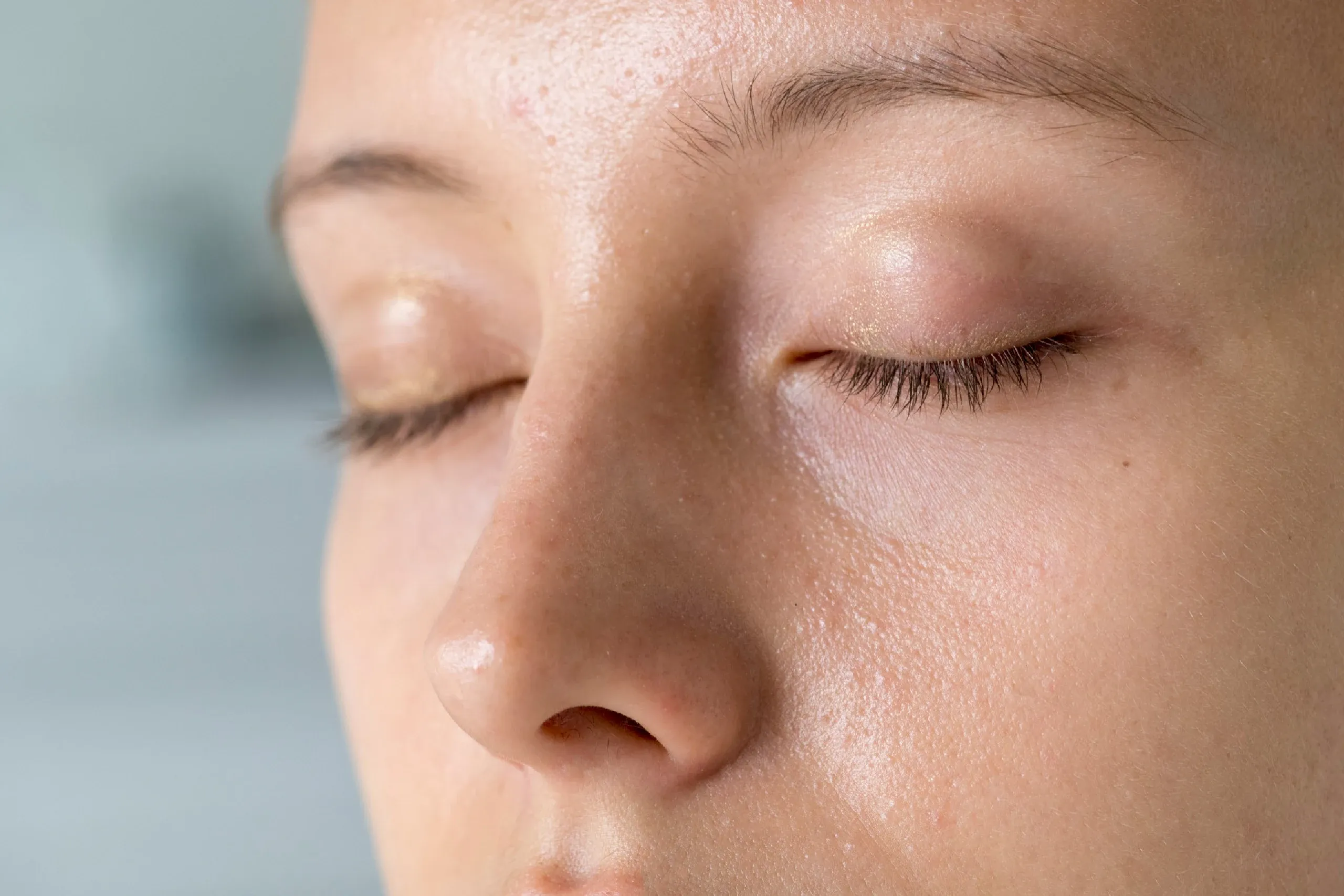
Sebaceous glands sit within the dermis and produce sebum - a waxy, lipid-rich substance that naturally moisturizes and protects your skin. When these glands become overactive, they produce more sebum than the skin can efficiently distribute, resulting in a persistently oily complexion.
Androgens such as dihydrotestosterone (DHT) directly stimulate sebaceous gland activity. This is why oily skin often worsens during puberty, menstrual cycles, and periods of hormonal fluctuation. Genetics also play a significant role - if your parents had oily skin, you are more likely to experience it as well.
Pore size is largely determined by the volume of sebum flowing through each follicle. As excess oil accumulates alongside dead keratinocytes and environmental debris, pores dilate to accommodate the buildup. Over time, this repeated stretching can make pores appear permanently enlarged.