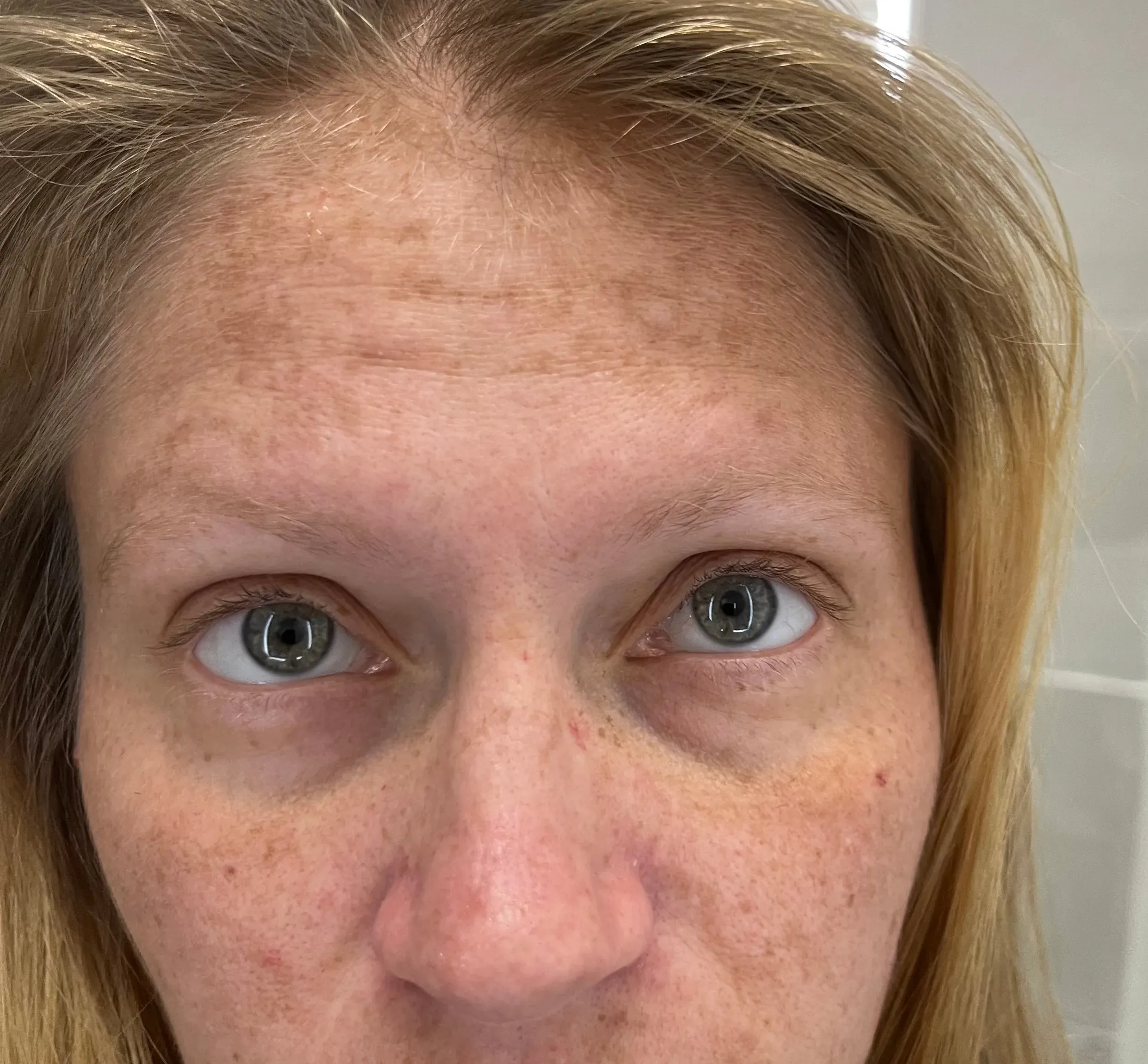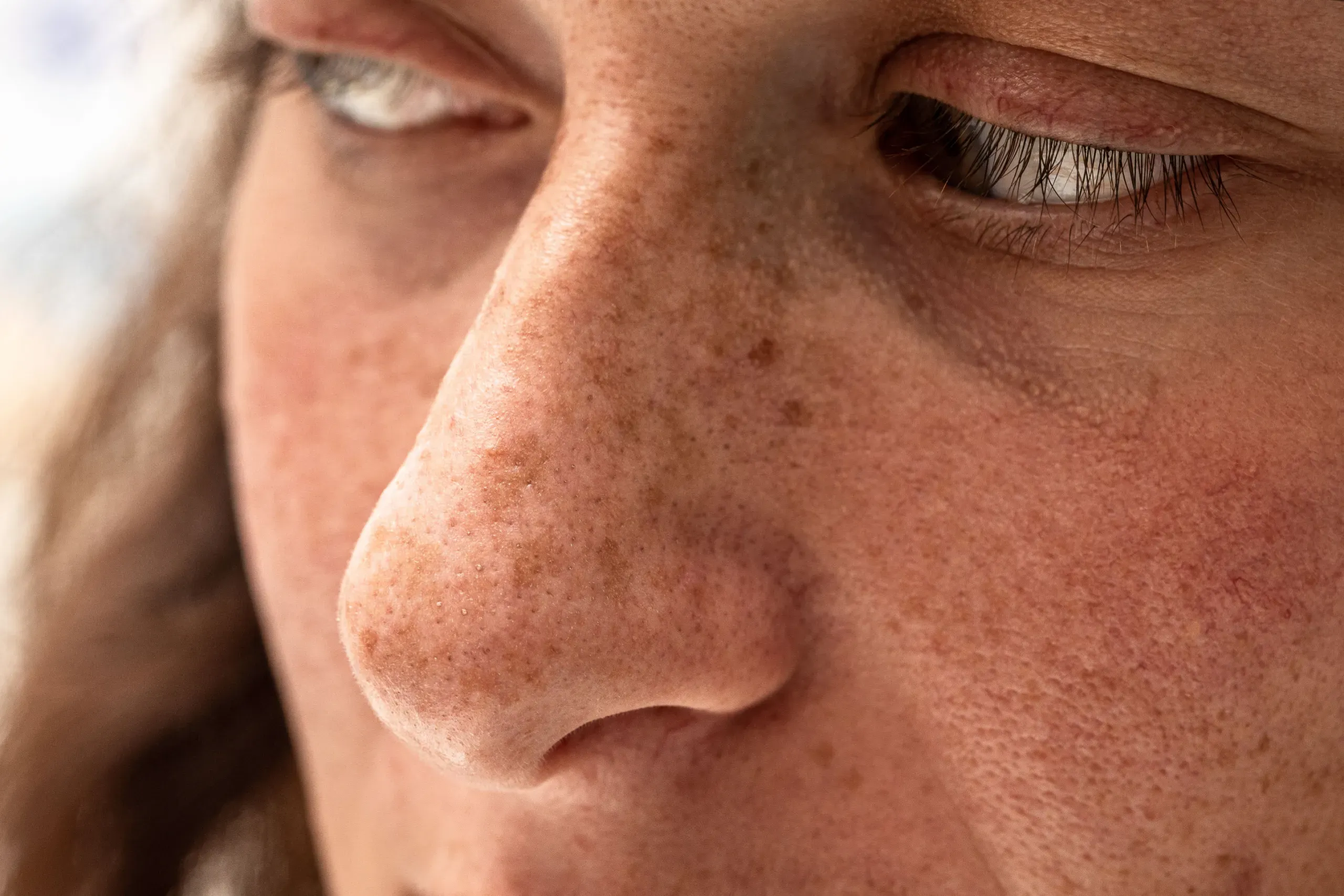

Melanin production is governed by specialized cells called melanocytes located in the basal layer of the epidermis. Under normal conditions, melanocytes distribute pigment evenly to protect skin from UV radiation. However, when melanocytes become overactivated -- through UV exposure, inflammation, or hormonal signals -- they produce excess melanin that accumulates in concentrated deposits, creating visible dark spots and patches.
Ultraviolet radiation triggers a cascade of molecular damage beginning with DNA photoproducts in keratinocytes. These damaged cells release signaling molecules including alpha-melanocyte-stimulating hormone, which commands melanocytes to ramp up pigment production. Over time, this repeated stimulation leads to permanent hyperpigmentation where melanin becomes trapped in deeper dermal layers, making surface-level treatments insufficient.
The skin's natural repair mechanisms decline with age, compounding the problem. Collagen breaks down approximately 1% per year after age 30, while cellular turnover slows from a 28-day cycle to 45 days or longer. This means damaged, pigmented cells linger on the surface longer, and the skin's ability to self-correct uneven pigmentation diminishes progressively.