Understanding Diastasis Recti: Causes, Symptoms, and Effective Treatments
Learn about diastasis recti — the separation of abdominal muscles — including causes, symptoms, and treatments ranging from physical therapy and Emsculpt Neo to surgical options for severe cases.
Diastasis Recti — commonly known as the separation of the abdominal muscles — can impact both women and men. While this condition is often associated with postpartum women, it can arise in anyone due to factors like pregnancy, weight gain, improper exercise, or genetics. The encouraging news is that Diastasis Recti is treatable, and many individuals can achieve significant improvement through a combination of therapies ranging from physical therapy to advanced technologies such as Emsculpt Neo.
In this article, we will explore the intricacies of Diastasis Recti, including its causes, symptoms, and the various approaches we can take to address it. If you are experiencing lower back pain, abdominal bulging, or reduced core strength, this information is particularly relevant to you. Learn how you can heal Diastasis Recti, strengthen your abdominal muscles, and restore your confidence.
What Is Diastasis Recti?
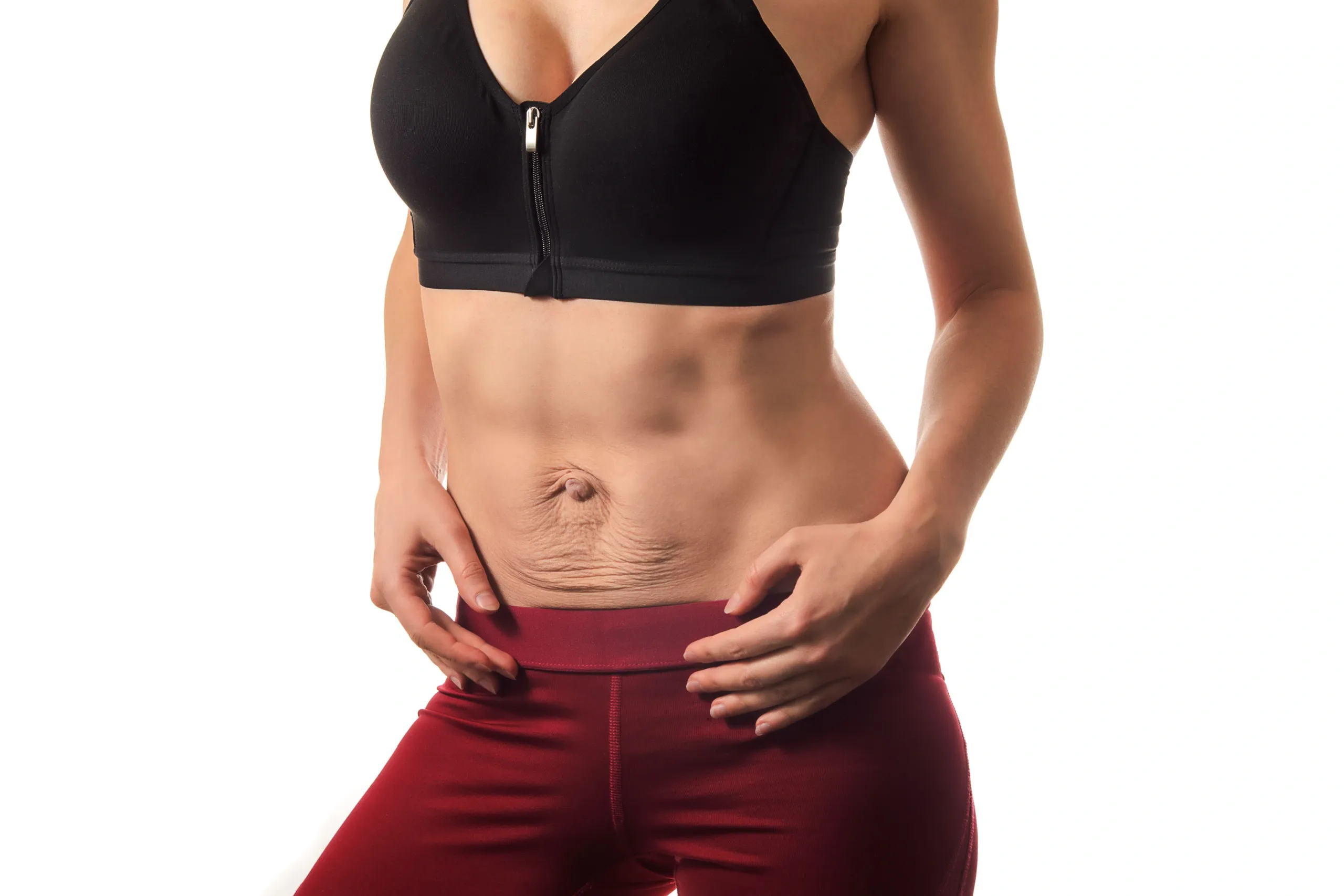
Diastasis Recti is a condition where the rectus abdominis muscles — the paired muscles running vertically along the midline of your abdomen — separate due to stretching of the connective tissue known as the linea alba. This separation typically occurs during pregnancy as the growing baby exerts pressure on the abdominal wall. Nonetheless, Diastasis Recti is not exclusive to postpartum women; men and women who have never been pregnant can also develop this condition. Factors such as increased abdominal pressure, significant weight gain, or improper exercise techniques can contribute to the development of Diastasis Recti.
One of the most noticeable signs of Diastasis Recti is a visible bulge or pooch in the abdomen, particularly noticeable during movements like sit-ups or crunches. You might also feel a gap when gently pressing your fingers along the midline of your abdomen, indicating the separation of the rectus abdominis muscles.
Common Misconceptions About Diastasis Recti
A prevalent misconception is that Diastasis Recti only affects women who have had children. In reality, men can also develop this condition, especially if they experience significant weight gain or engage in activities that place excessive abdominal pressure on the muscles. Additionally, some may believe that Diastasis Recti is merely a cosmetic issue. Contrary to this belief, the condition can have serious functional implications. If left untreated, Diastasis Recti can lead to low back pain, poor posture, urinary incontinence, and weakened core muscles, all of which can significantly impact your overall health and well-being.
Another myth is that Diastasis Recti is the same as a hernia. While both conditions may cause a visible abdominal bulge, they are distinct. A hernia involves an internal organ, such as the intestines, protruding through a hole in the abdominal wall. In contrast, Diastasis Recti involves the stretching of the abdominal muscles along the midline without any organs pushing through.
Causes and Risk Factors of Diastasis Recti
Pregnancy
Pregnancy is one of the most common causes of Diastasis Recti. As the baby grows, the expanding uterus places increased pressure on the abdominal wall, causing the rectus muscles to stretch and separate. This condition is particularly common in women who have had multiple pregnancies, as the abdominal muscles are subjected to more extensive stretching with each pregnancy.
Excessive Weight Gain
Significant weight gain, whether due to pregnancy, poor diet, or lack of exercise, can increase abdominal pressure, leading to muscle separation.
Improper Exercise Techniques
Engaging in exercises that place excessive strain on the abdominal wall — such as crunches or sit-ups — without proper form can exacerbate Diastasis Recti.
Chronic Conditions
Conditions that increase abdominal pressure, such as chronic coughing or constipation, can also contribute to the separation of the abdominal muscles.
Symptoms of Diastasis Recti
Recognizing the symptoms of Diastasis Recti is crucial for timely intervention. Common signs include:
- Visible bulging: A soft bulge or pooch in the middle of the abdomen, especially noticeable during exercises like sit-ups or crunches.
- Back pain: Weakened core muscles due to Diastasis Recti can lead to lower back pain and difficulties in maintaining proper posture.
- Difficulty engaging the core: Challenges in activating the deep core muscles, resulting in poor stability during physical activities.
- Pelvic floor dysfunction: In some cases, issues such as urinary incontinence may occur due to the connection between the abdominal and pelvic floor muscles.
To diagnose Diastasis Recti, a provider typically performs a physical examination where the patient lies on their back and gently raises their head and shoulders as if performing a crunch. This maneuver allows the provider to feel for any gaps or separations along the midline. In certain cases, imaging tests like ultrasound or CT scans may be recommended to confirm the diagnosis and assess the severity of the separation.
Treatment Options for Diastasis Recti
Addressing Diastasis Recti effectively depends on the severity of the condition and the patient's individual goals. Treatment options range from physical therapy to non-invasive treatments like Emsculpt Neo, and in more severe cases, surgery may be necessary.
Physical Therapy
For many patients, physical therapy serves as the initial approach to managing Diastasis Recti. Collaborating with a skilled physical therapist can help strengthen the core muscles and restore function to the abdominal wall. Specific exercises designed to target Diastasis Recti, such as pelvic tilts, transverse abdominis activation, and diaphragmatic breathing, are implemented to gradually bring the separated muscles back together.
The primary objective of physical therapy is to build strength in the deep core and pelvic floor muscles, which are often compromised due to the muscle separation. These targeted exercises enable patients to regain control over their abdominal muscles, thereby reducing the separation and alleviating associated issues like back pain and urinary incontinence.
Emsculpt Neo
While physical therapy is effective for many individuals, there are instances where additional treatments are necessary to enhance muscle recovery and further tighten the abdominal wall. This is where Emsculpt Neo becomes a valuable option.
Emsculpt Neo employs a combination of high-intensity focused electromagnetic (HIFEM) energy and radiofrequency (RF) technology to strengthen the core muscles and reduce abdominal fat. The treatment stimulates intense muscle contractions that surpass what can be achieved through traditional exercises like sit-ups or crunches. By directly targeting the rectus abdominis muscles, Emsculpt Neo aids in healing Diastasis Recti by improving muscle tone and minimizing the separation of the abdominal muscles.
Typically, patients undergo a series of four to six treatments, spaced approximately a week apart. Most individuals observe improvements in muscle tone, reduced lower back pain, and a gradual narrowing of the gap between the abdominal muscles. As a non-invasive, no-downtime procedure, Emsculpt Neo is an attractive option for those seeking to avoid surgery or who have not experienced significant progress through traditional physical therapy.
Surgical Options: When Surgery Is Necessary
In cases where physical therapy and Emsculpt Neo do not yield sufficient results, surgery may become necessary, particularly for patients with severe Diastasis Recti or associated complications like an umbilical hernia.
The most common surgical intervention for Diastasis Recti is abdominoplasty, also known as a tummy tuck. This procedure involves tightening the rectus abdominis muscles and removing excess skin from the abdominal area. For patients with less severe cases, a mini tummy tuck or a belly button approach may be adequate.
Surgery is generally considered when there is a significant separation of the abdominal muscles that does not respond to non-surgical treatments, or if a hernia is present alongside Diastasis Recti.
Preventing Diastasis Recti
While Diastasis Recti cannot always be prevented, especially in cases of pregnancy, certain measures can be taken to reduce the risk:
- Strengthen core muscles: Incorporate exercises like Pilates, planks, and pelvic tilts into your fitness regimen before and during pregnancy to build a strong core.
- Manage weight gain: Maintaining a healthy weight during pregnancy can reduce the strain on your abdominal wall and pelvic floor muscles.
- Practice proper lifting techniques: Use correct lifting methods and avoid placing excessive abdominal pressure during daily activities.
- Postnatal care: After pregnancy, focus on postnatal exercises that are safe and appropriate for restoring core strength without exacerbating muscle separation.
Frequently Asked Questions
How can I tell if I have Diastasis Recti during pregnancy or postpartum?
During pregnancy, especially in the third trimester, you might notice a bulging or doming effect when performing abdominal exercises like sit-ups. Postpartum, you can check for abdominal separation by lying on your back and gently pressing your fingers into the midline of your abdomen. If you can fit more than two finger widths between your rectus abdominis muscles, this indicates Diastasis Recti. It is essential to consult your healthcare provider for an accurate diagnosis.
When should I start physiotherapy for Diastasis Recti after childbirth?
Ideally, physiotherapy should begin in the postpartum period, preferably within weeks after childbirth, to start strengthening the deep core muscles and address any pelvic floor dysfunction. Initiating core-strengthening exercises such as pelvic tilts and diaphragmatic breathing early on can help restore core stability and reduce the risk of issues like lower back pain.
Can I regain my six-pack abs after Diastasis Recti?
Achieving a full six-pack may be challenging depending on the severity of Diastasis Recti. Nonetheless, you can improve muscle tone and reduce the gap between your rectus abdominis muscles through targeted abdominal exercises. Non-invasive treatments like Emsculpt Neo can also help decrease abdominal separation and tighten the abdominal wall, contributing to a stronger and more defined core, especially for those with mild to moderate Diastasis Recti.
How long does it take for abdominal separation to heal completely?
The healing timeline varies among individuals. Many women see improvement in abdominal separation within months postpartum, particularly when combining physiotherapy with treatments like Emsculpt Neo. Some may notice results within weeks after childbirth, but full healing of Diastasis Recti may take several months, especially if physical therapy is involved. Severe cases might require surgical intervention, such as a tummy tuck.
How can I prevent abdominal separation during pregnancy?
While Diastasis Recti cannot always be prevented, certain steps can minimize the risk during pregnancy. Engaging in core-strengthening exercises like Pilates, using abdominal support bands, and maintaining proper posture during the third trimester can help reduce the likelihood of abdominal separation. Managing abdominal pressure and avoiding overexertion through abdominal exercises are essential. Always consult your healthcare provider for advice on safe exercise programs tailored to your needs.
Restore Your Core Strength in Traverse City
Diastasis Recti is a common condition affecting many men and women, particularly those who have undergone pregnancy or experienced significant weight gain. Whether you are dealing with back pain, abdominal bulging, or difficulty engaging your core muscles, effective treatments are available to help you heal and restore your abdominal wall.
We recommend starting with physical therapy to strengthen the deep core muscles and address any muscle imbalances. If more advanced treatment is necessary, Emsculpt Neo offers a powerful non-surgical solution that targets the rectus abdominis muscles, aiding in the restoration of muscle strength and tone.
If you are struggling with Diastasis Recti and are ready to explore solutions, contact Eternal Wellness Medical Spa in Traverse City, MI, or call (231) 252-4474 to schedule a consultation. Together, we will create a personalized plan to restore your core strength, alleviate discomfort, and help you regain confidence in your body.