Best Treatments for Hyperpigmentation on the Face: Complete Guide
Discover the best professional and at-home treatments for facial hyperpigmentation, including chemical peels, laser therapy, microneedling, and proven skincare ingredients to restore an even skin tone.
Hyperpigmentation is a common skin condition that causes certain areas of the skin to appear darker than the surrounding skin tone. It occurs when excess melanin, the pigment responsible for skin color, is produced by melanocytes in the skin. While hyperpigmentation is harmless in most cases, it can be a cosmetic concern for many people, especially when it affects the face. The good news is that there are many effective treatments available to help reduce dark spots, melasma, sunspots, and other types of pigmentation.
This guide covers the best treatments for hyperpigmentation on the face, from professional dermatology procedures to at-home skin care options, along with prevention strategies to keep your skin looking clear and even.
Understanding Hyperpigmentation
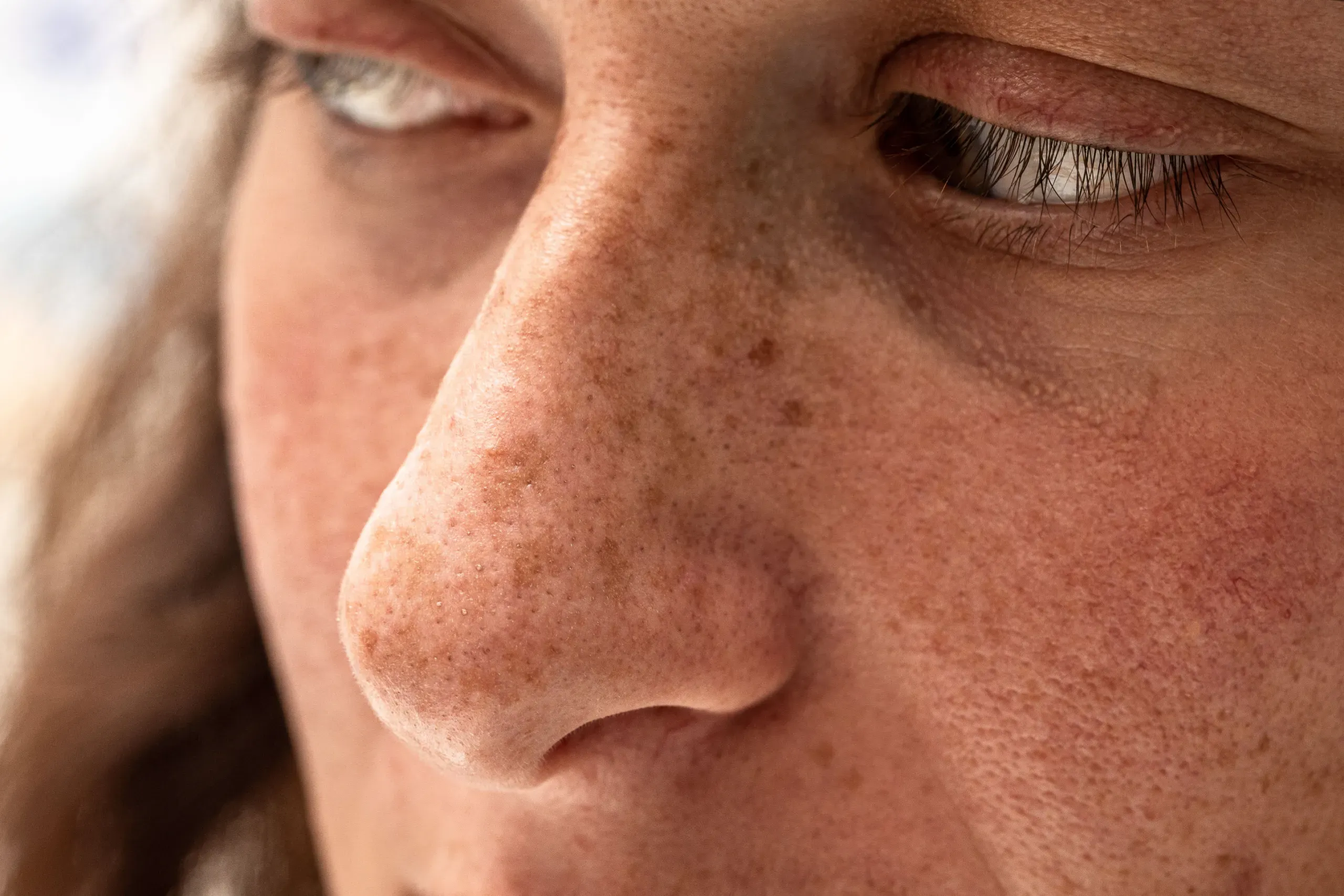
Hyperpigmentation can occur for many reasons, and identifying the cause is the first step in finding the best treatment. Common causes include sun exposure, hormonal changes, acne scars, skin injuries, and inflammation. Different types of hyperpigmentation include:
Melasma
Often triggered by hormonal changes such as pregnancy or birth control use. It appears as symmetrical dark patches on the cheeks, forehead, or upper lip.
Sunspots
Also called age spots or liver spots, these develop due to prolonged sun damage and UV exposure.
Post-Inflammatory Hyperpigmentation
Dark spots or patches that develop after skin injuries or inflammation, often following acne breakouts or eczema flare-ups.
Freckles
Small spots caused by genetics and increased melanin production after sun exposure.
Understanding the specific type of hyperpigmentation can help determine the most suitable treatment options.
Best Professional Treatments for Hyperpigmentation
When over-the-counter products are not enough, professional dermatology treatments can deliver faster and more dramatic results. Some of the most effective treatments include:
Chemical Peels
Chemical peels use solutions containing acids like glycolic acid, salicylic acid, or alpha hydroxy acids to exfoliate the top layer of skin cells. By removing damaged skin, peels encourage cell turnover and reduce discoloration. They are effective for melasma, age spots, and post-inflammatory hyperpigmentation.
Laser Therapy
Laser treatment works by targeting excess melanin in the skin and breaking it down. There are several types, including non-ablative lasers that promote collagen production and intense pulsed light (IPL) that targets pigmentation without damaging surrounding tissue. Laser therapy can be highly effective for sunspots, dark patches, and even deeper lesions, but it should be performed by an experienced provider to minimize side effects.
Microneedling
Microneedling involves creating micro-injuries in the skin with fine needles to stimulate collagen production and speed up cell turnover. It can be combined with topical treatments like vitamin C or tranexamic acid for better absorption and faster results.
Prescription Topical Treatments
Dermatologists may recommend prescription-strength topical treatments such as hydroquinone, tretinoin, azelaic acid, or a combination therapy. These help slow down melanin production, brighten skin, and improve overall skin tone.
Best At-Home Treatments for Hyperpigmentation
If your pigmentation concerns are mild to moderate, at-home treatments can help improve your skin over time. Many skin care products contain active ingredients proven to fade dark spots and even out skin tone.
Vitamin C
A powerful antioxidant, vitamin C helps reduce melanin production and protects the skin from UV-induced damage. It works best when used daily in a serum or cream.
Niacinamide
Known for its anti-inflammatory properties, niacinamide helps prevent the transfer of melanin to skin cells, making it effective for lightening discoloration and improving skin barrier function.
Retinoids and Retinol
Vitamin A derivatives like retinoids and retinol boost cell turnover, helping fade pigmentation and smooth skin texture. They also support collagen production for healthier, more youthful skin.
Kojic Acid
Derived from fungi, kojic acid helps block melanin production and works well for stubborn pigmentation, including melasma and age spots.
Alpha Hydroxy Acids and Salicylic Acid
Exfoliating acids like glycolic acid, lactic acid, and salicylic acid remove dead skin cells and stimulate cell renewal. Regular exfoliating can enhance the penetration of other skin-lightening treatments.
Azelaic Acid
Azelaic acid is both anti-inflammatory and antibacterial, making it helpful for treating post-inflammatory hyperpigmentation caused by acne.
Tranexamic Acid
This newer ingredient is gaining popularity for its ability to reduce melasma and other stubborn pigmentation when applied topically.
Over-the-Counter Skin-Lightening Products
Many OTC products contain a blend of these ingredients. Look for formulations that target melanin production, promote cell turnover, and provide antioxidant protection.
Lifestyle and Prevention Tips
Preventing new pigmentation is just as important as treating existing discoloration. Without proper prevention, melanin production will continue, and dark spots may return.
- Daily Sunscreen Use: Broad-spectrum SPF is essential to protect against UVA and UVB rays. Even on cloudy days, sun exposure can worsen pigmentation.
- Limit Sun Exposure: Wear hats, sunglasses, and protective clothing when outdoors. Avoid peak sunlight hours between 10 a.m. and 4 p.m.
- Sun Protection in Skincare: Choose skin care products with added SPF for daily wear.
- Healthy Lifestyle Choices: A balanced diet rich in antioxidants and proper hydration supports overall skin health.
Choosing the Right Treatment for Your Skin Type
Different skin types and tones may respond differently to hyperpigmentation treatment. For example, darker skin tones may be more prone to post-inflammatory hyperpigmentation or pigment worsening after certain treatments like aggressive laser therapy. Always consult a provider to develop a safe treatment plan tailored to your skin tone, sensitivity, and type of pigmentation.
For sensitive skin, mild exfoliating acids or gentle topical treatments may be best. For oily or acne-prone skin, products containing salicylic acid, niacinamide, or retinoids can help. A professional can recommend a customized approach that addresses your unique skin concerns.
Why Choose Eternal Wellness?
At Eternal Wellness in Traverse City, we provide advanced solutions to effectively reduce hyperpigmentation and restore a brighter, more even complexion. Facial hyperpigmentation can be caused by sun exposure, hormonal shifts, acne scarring, or aging, but the right treatment can make a dramatic difference in skin clarity and confidence.
Our team offers a full range of proven options, including laser therapies, chemical peels, microneedling, and medical-grade skincare. Each treatment is selected and customized based on your skin type, severity of pigmentation, and personal goals. Whether you're targeting stubborn dark spots, post-acne marks, or melasma, our approach combines precision technology with expert care to deliver visible, lasting results.
Risks and Side Effects of Hyperpigmentation Treatments
While there are many effective treatments, some can have side effects if used incorrectly or too aggressively. Potential side effects include redness, peeling, irritation, and worsening pigmentation. Using harsh treatments on dark skin without professional guidance can sometimes lead to further discoloration.
To minimize risks:
- Follow product instructions carefully.
- Avoid over-exfoliating.
- Introduce new skin care products gradually.
- Always use sunscreen to protect healing skin.
Frequently Asked Questions
How long does it take to see results?
Results vary depending on the treatment. Topical treatments may take several weeks to months, while professional treatments can show results in a few sessions.
Can hyperpigmentation go away on its own?
Some mild cases, especially post-inflammatory hyperpigmentation, may fade naturally over time, but most benefit from targeted treatment.
Which treatment is safest for darker skin tones?
Non-ablative laser treatments, gentle chemical peels, and ingredients like azelaic acid and niacinamide are generally safer, but professional guidance is essential.
Treat Facial Hyperpigmentation in Traverse City
Hyperpigmentation on the face is a common but treatable skin condition. Whether caused by sun exposure, hormonal changes, or post-inflammatory damage, there are numerous professional and at-home treatment options available. From chemical peels and laser therapy to topical antioxidants like vitamin C and niacinamide, the right combination can significantly improve discoloration and restore a more even skin tone.
Consistent sun protection, a tailored treatment plan, and guidance from a qualified provider will help you achieve the best results while preventing future pigmentation issues. With patience and the right approach, you can reveal brighter, healthier-looking skin. Contact Eternal Wellness Medical Spa in Traverse City, MI, or call (231) 252-4474 to schedule your consultation.